JACKFROST
|
MORE OF............................ |
GoldenSeed's "Jack Frost" has been painstakingly developed over the last five years, using only the best of each crop for breeding in order to constantly improve the potency, appearance and aroma of this unique strain. Jack Herrer, White Widow and Northern Lights#5, direct from the Sensiseed shop in Amsterdam, have been progressively bred in before introducing a wild, personally collected Rainbow Kashmiri to the mix which is now in it's third year of exclusive inbreeding, JackFrost pollen hand brushed onto Jackfrost females, to make them reliable. No other strain delivers surface resin in the kind of quantity she does, enough to harvest charas from if you have the skill, and we're talking about charas better than most made in the Himalayas, as you'll be ultra careful in its harvest, not something common over there. From my personal experience of spending most of the 70s in Kashmir, India, and Nepal learning about charas, as well as Pakistan and Afghanistan where I learned about hashish, I'm confident that Jackfrost is finer than anything I've ever seen, and I guarantee you won't have grown, or seen anything better. All challenges are welcome, in the form of seed, I'm always interested in 'Pushing the envelope!' - Agricolas-father of JackFrost.
Genetics: Jack Herrer x White Widow x Northern Lights#5 YIELD PER PLANT IS BASED ON 100% ORGANIC NUTRIENTS & SOIL IN 6 LITER CONTAINERS |

|
The development of JackFrost, now in it’s 14th year has been a quest for the perfect plant for connoisseurs. She burst on the scene in 2004, becoming an internet sensation by being available on ebay! In a mad four month period, over 400 sales to 5 continents and 46 out of 51 states, generating a worldwide fanbase who continue to grow jackFrost and provide positive feedback.
This year, the happy hippies at Goldenseed are pleased to announce another important development in the JackFrost saga. In response to the global feedback, Agricolas has flexed his genetic manipulator, and feminised the most robust indica phenotype yet exhibited by jackFrost. This pheno owes much of it’s branchy habit to a triploid breeding programme, and often the stems are oval, or square, instead of round.
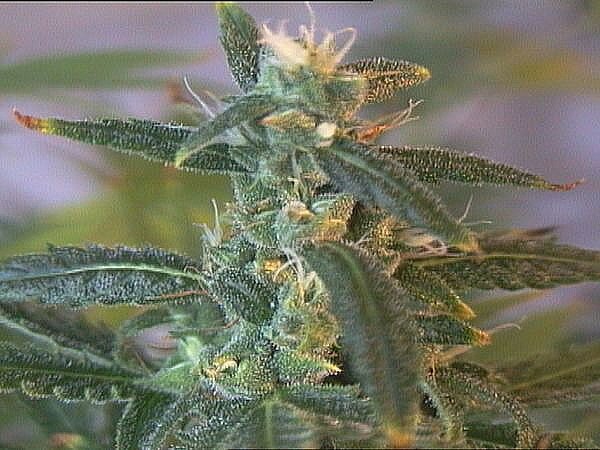
She grows fast but not tall, especially when topped at around 40 centimetres, and often displays 8 or 10 colas, and finishes at around 1 metre tall of fabulous gold to reddish purple. She is always stable, always short and dense, always robust, and always frosty enough for finger hash, jackFrost deserves a place in your garden
|
|
I read the website again and I will start with the original sativa dominant you have and then order the newer pheno too when yu have it available. I have been getting one of them from a dispensary in Berkeley, Ca. and love it myself. pretty dang strong though. I have a hard time getting out of the dispensary after using a volcano with a small amount of the jack LOL the other day, I went shopping afterward in the Berkeley Bowl market afterwards and it was hilarious. I was "lost in space" Flick..CA |
|
GALLERY
|
|
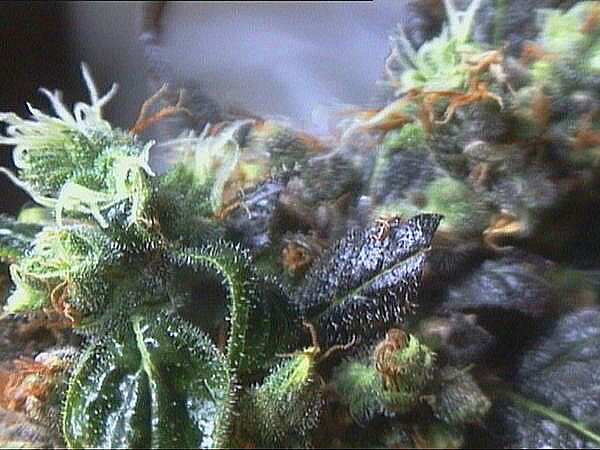
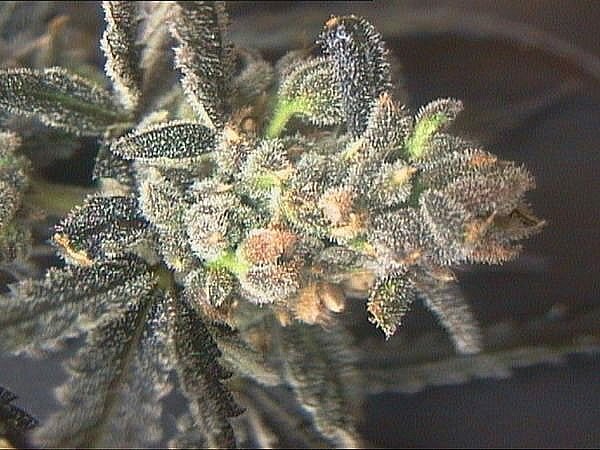
Satisfied grower's This Is by far one if not the best smoke live tried/grown, bag appeal 10/10 if grown good you end up with multiple colored buds from red,blue,purple,yellow,black. The potency was absolutely amazing... a little too much in fact. The trimmings were a more enjoyable smoke, since the bud itself would leave you immobile and drooling. Both phenos are fairly harsh smokes, but the sativa pheno burns with a honey or cake smell, while the indica pheno has a more earthy or redwood type taste.......... The sativa pheno is very energetic, I remember myself jumping up and down like an idiot with a huge grin on my face after I took my first hit of it. It's not a very long high, no more than 90 minutes, but considering the potency it's more than enough. Luckily it does let you down easy so it's a good morning/daytime smoke..........................
|
|

|

|

|
 PLANT PROBLEMS PLANT PROBLEMS
|
CANNABIS COMMUNITY
|
|||
 DISCLAIMER DISCLAIMER
|
LOWRYDER SEEDS
|
|
|
|
|
PHOTO GALLERY
|
PAYMENTS
|
|
||
|
T.H. CANNABIS SEEDS
|
FYLING DUTCHMEN'S
|
PARADISE SEEDS
|
MAGUS GENETICS
|
|
|
|
|
Seed Germination
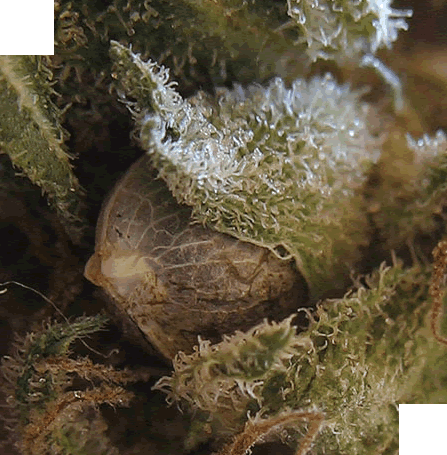
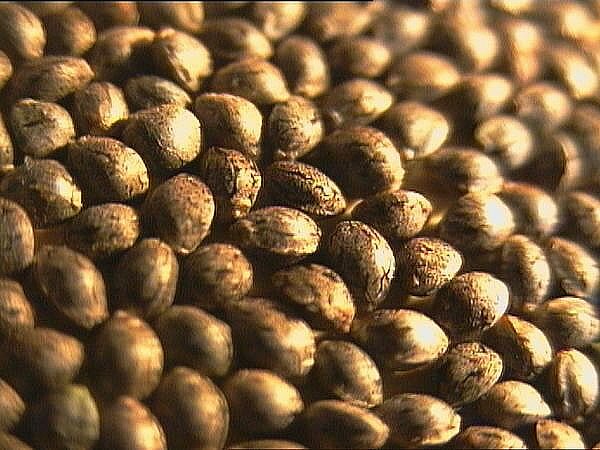
Presoaking - Put some moist tissues on a plate. Put the seeds on top of them and then put a layer of moist tissues on the seeds. Cover the plate with another upturned plate, so that the seeds are in darkness and the environment remains moist. Put the covered seeds in a warm place (21°C). Check the seeds every day, sprinkle the tissues if necessary and carefully transplant the seeds when they open and the white tip of the root becomes visible. Put the seed in a growth medium (soil), approximately the size of the seed under the surface (about 5 mm). If grown to full maturity, in the correct conditions, cannabis seeds will generally be dark grey or brown, or striped in colour, and measure between 3-5mm in length, and 2-4mm in diameter, depending on its origins. This beautifully patterned outer shell, the perianth, plays the vital role of protecting the delicate embryo inside, and should be of a good hard nature, without cracks or chipping. When choosing the right marijuana seeds to grow, the general rule is the bigger and darker they are the better. Different varieties of the plant produce different looking seeds. From the almost cannon-ball shape of classic Afghan seed, to the darker, more stream-lined look of some Sativa varieties, cannabis once again proves just how diverse she is! Cannabis is an annual plant, it's life-cycle completed within a year usually, dying just after setting it's seed for the next year. To keep seed over winter months store in a cool dark, air-tight place, that stays dry. Be careful not to crush the marijuana seeds. They may look tough, but damage can easily be caused this way. Discarding the obviously damaged, the very small, or very lightly coloured specimens, is the first step in the right direction for any budding grower, as this type of natural selection mimics exactly what nature would do.(If you purchase your seeds from Goldenseed you wont need to throw any away because all our seeds are carefully screened for any defects, guaranteeing you get only the healthy viable ones to start with).
Seed Parts When you look at a seed you are looking at the seed coat. As people wear coats for protection from foul weather, seed coats perform much the same function. They provide protection against entry of parasites, against mechanical injury and, in some seeds, against unfavorably high or low temperatures. Inside the seed coat is the embryo, an immature plant with all the parts of the adult plant. A close look shows leaves and a root -- they may be tiny but they are the beginnings of a plant. The seed's embryo leaves are called the "cotyledons." The seed is filled with "endosperm," food that will nourish the embryo during its early stages of development. Germinating Seeds Germination is a fascinating process. Seeing a tiny seedling emerge from a dry, wrinkled seed and watching its growth and transformation, is observing the mystery of life unfolding. The first sign of germination is the absorption of water -- lots of water. This activates an enzyme, respiration increases and plant cells are duplicated. Soon the embryo becomes too large, the seed coat bursts open and the growing plant emerges. The tip of the root is the first thing to emerge and it's first for good reason. It will anchor the seed in place, and allow the embryo to absorb water and nutrients from the surrounding soil. Some seeds need special treatment or conditions of light, temperature, moisture, etc. to germinate. Seed dormancy is very complex, but it protects that living plant material until conditions are right for it to emerge and grow. Practical lessons can be learned from the seed: * Seeds with bigger amounts of endosperm can feed the embryo plant longer, while it works its way toward light. Therefore, big seeds can usually be planted deeper. |